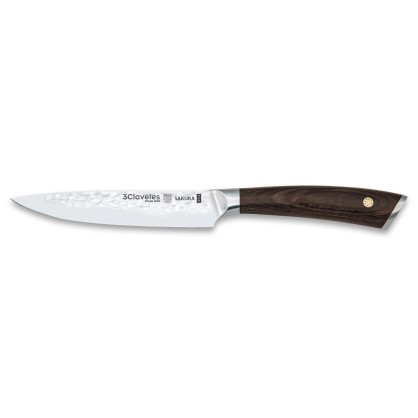
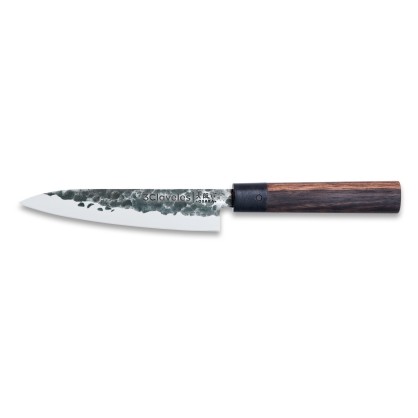
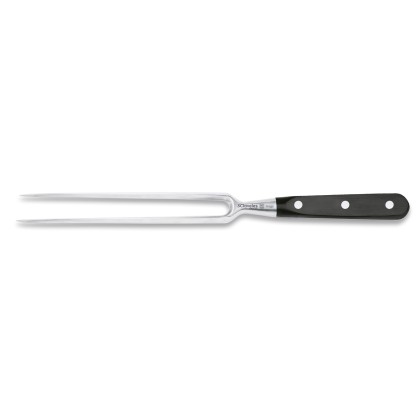
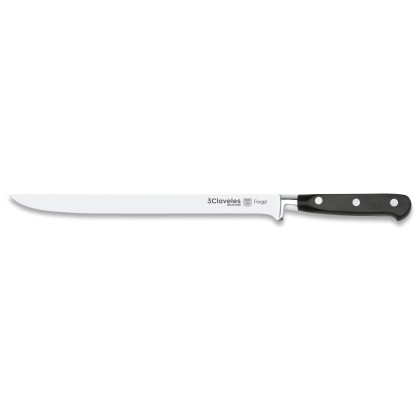
Types of kitchen knives and what they are used for
Choosing the right kitchen knives makes cooking easier, improves cutting precision and helps you get the most out of every ingredient. There are different types of knives, each designed for specific tasks: from chopping vegetables and preparing meat to filleting fish or slicing ham into thin, even slices.
Chef's knives
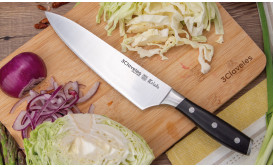
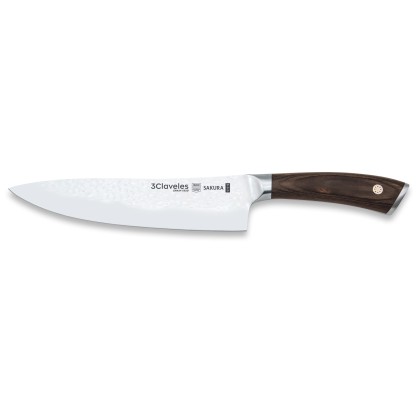
A chef's knife is one of the most versatile tools in the kitchen. Its blade allows you to chop, slice, dice and work with a wide variety of ingredients. It is the main tool used by many professional chefs. If you are looking for a knife for everyday use, discover our selection of chef's knives.
Japanese knives: Santoku, Usuba and Deba
Japanese knives stand out for their specific designs and their suitability for different cutting techniques:
- Santoku: a versatile knife designed for cutting meat, fish and vegetables. Its name refers to its three main uses.
- Usuba: specially designed for preparing vegetables, making precise cuts and creating uniform slices.
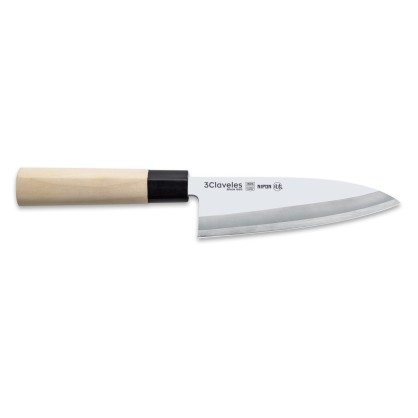
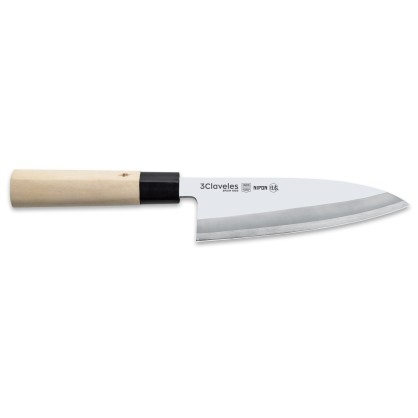
- Deba: features a robust blade, mainly designed for working with fish and tasks that require greater strength.
Vegetable knives and paring knives
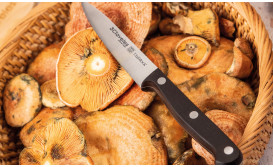
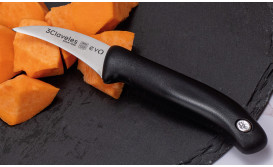
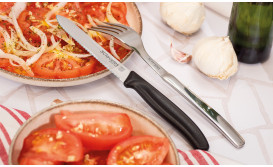
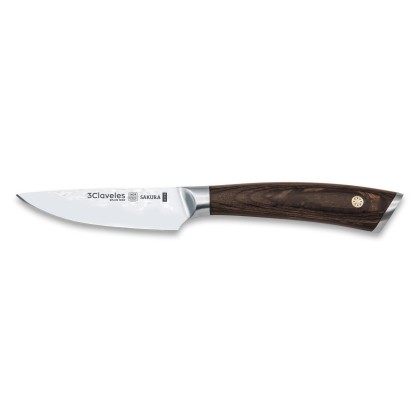
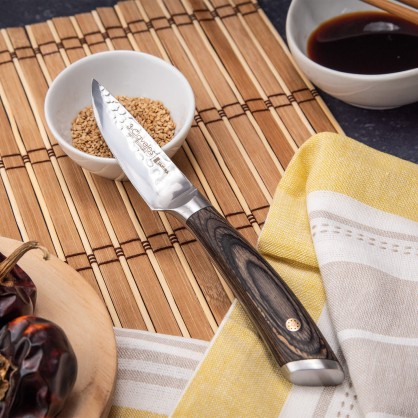
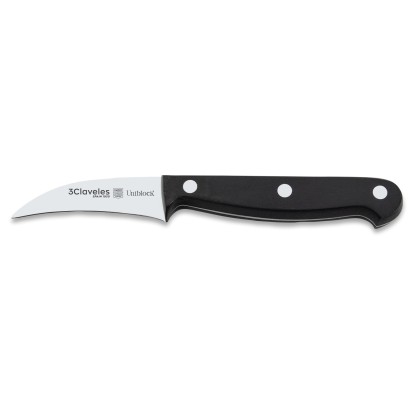
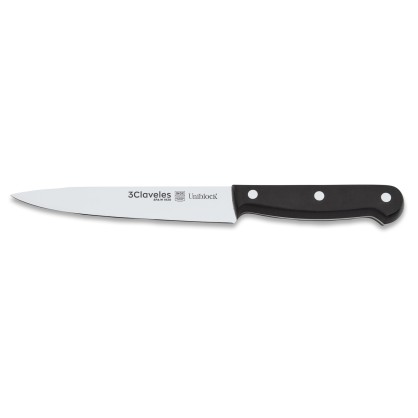
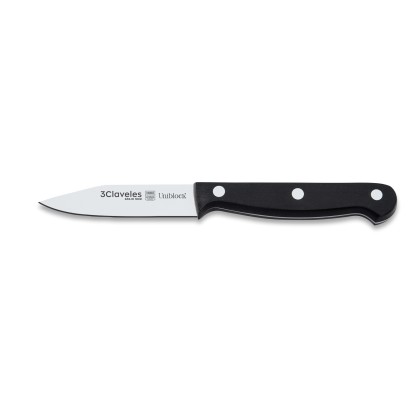
Vegetable knives allow you to make precise cuts, chop vegetables and work with ingredients of different sizes. Paring knives, on the other hand, have a smaller blade that makes peeling fruit and vegetables, removing imperfections and carrying out detailed work easier.
Meat and fish knives
Different foods require tools designed for their specific texture and structure:
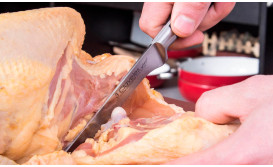
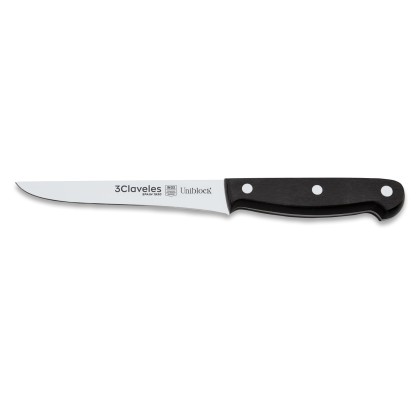
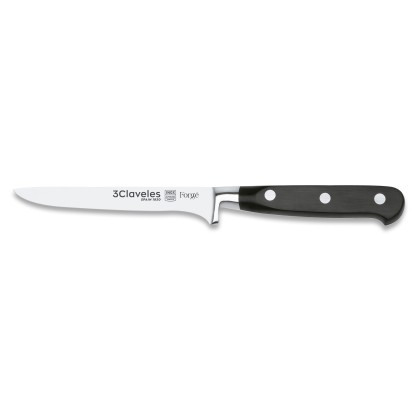
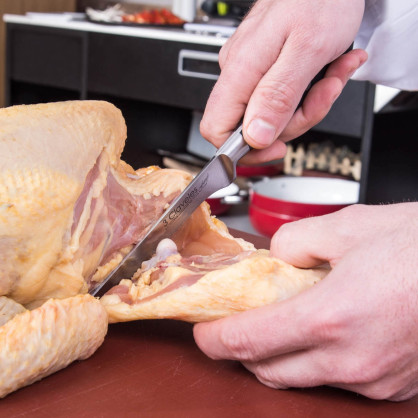
- Boning knives allow you to separate meat from bones and work around joints.
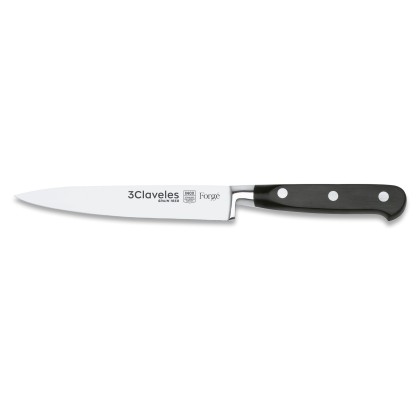
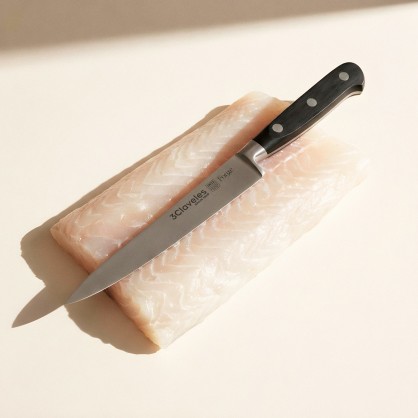
- Filleting knives make it easier to achieve clean, precise cuts, especially when working with fish.
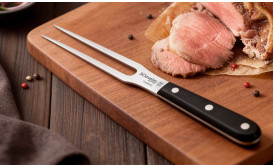
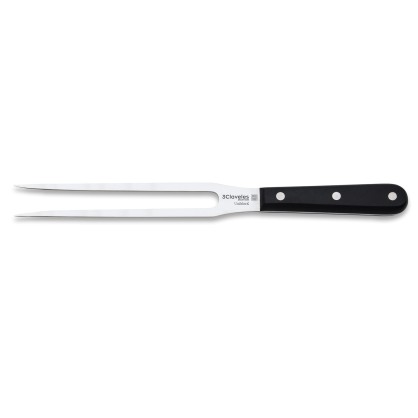
- Carving knives are designed for slicing and serving roasted meat.
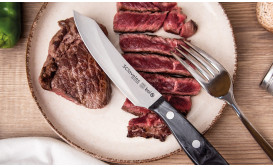
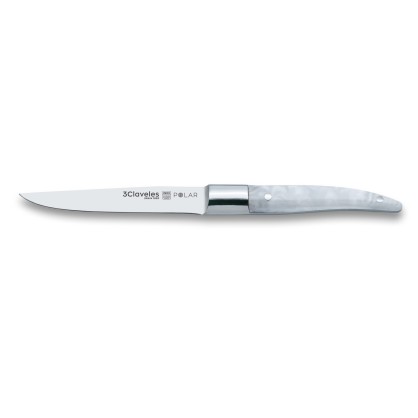
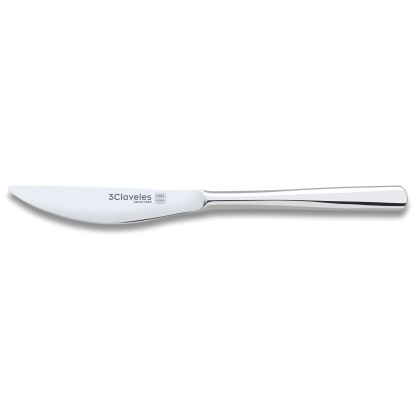
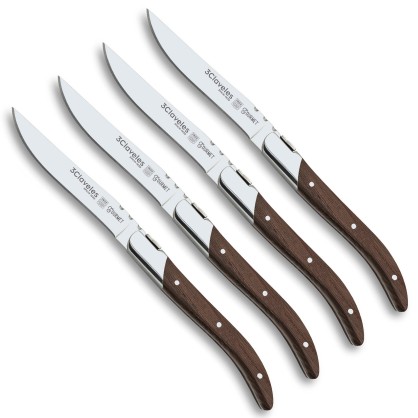
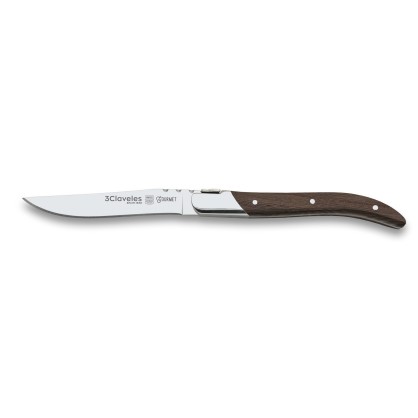
- Steak knives are designed for cutting meat comfortably at the table.
Ham and salmon knives
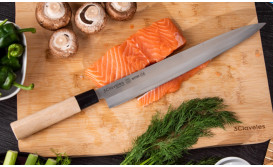
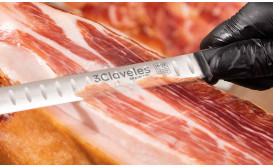
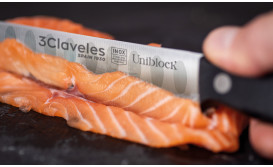
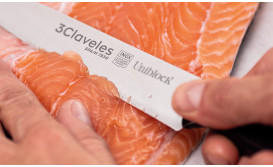
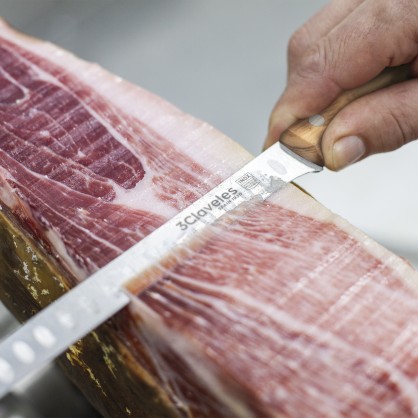
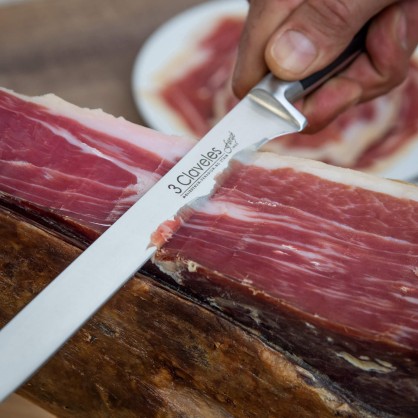
Ham knives feature a long, narrow blade that allows continuous cutting and produces thin slices of ham. Salmon knives also have long, flexible blades, designed to create even slices without damaging the fish's texture.
Bread and cheese knives
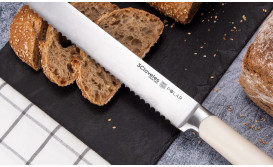
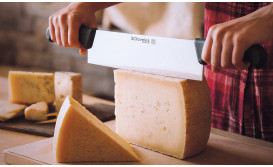
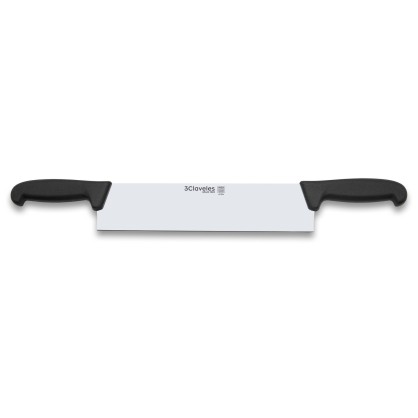
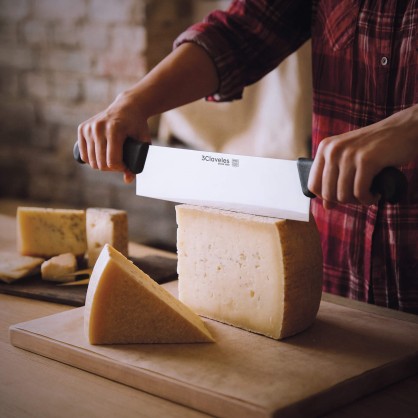
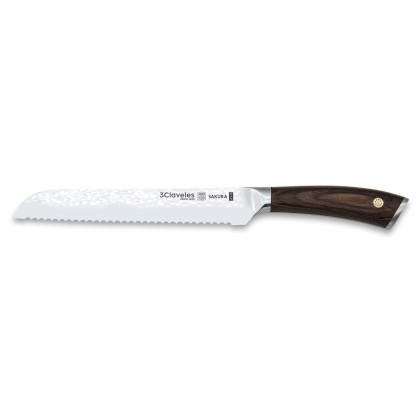
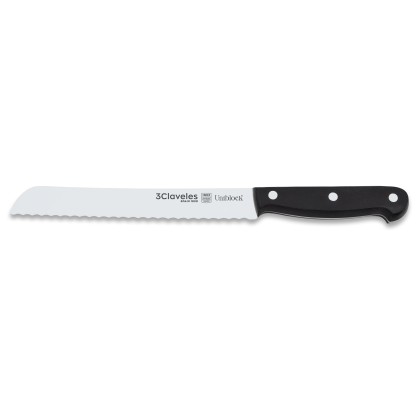
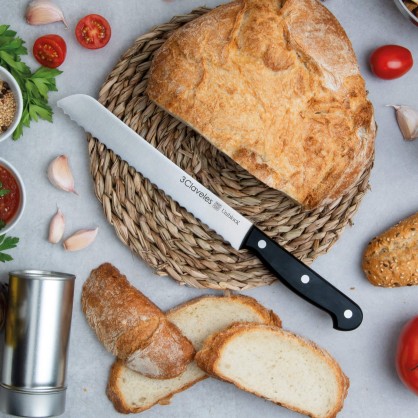
Bread knives feature a serrated blade that cuts through crusts without crushing the crumb. Cheese knives come in different designs depending on the cheese's consistency, from knives for soft cheeses to models designed for slicing hard and aged cheeses.
How to choose a good kitchen knife
Choosing the right kitchen knife depends on the ingredients you work with, how often you use it and the features you are looking for in a cutting tool.
Choose according to what you cook
Not all ingredients require the same type of blade. A chef's knife offers versatility for everyday tasks. A paring knife is easier to handle when peeling or making small, precise cuts. If you regularly work with fish, meat or bread, having specific knives for each task helps you achieve better results.
Kitchen knives for home or professional use
A home-use knife should offer comfort, ease of handling and good performance for everyday kitchen tasks. In professional kitchens, where tools are used for long working hours, balance, ergonomics, durability and ease of maintenance become particularly important. If you are looking for a professional chef's main tool, explore our selection of chef's knives.
Forged or stamped knives
The manufacturing process influences a knife's characteristics. Forged knives are made by shaping steel through a forging process, resulting in a robust construction. They often offer a more solid feel and may feature a bolster that provides a smooth transition between the blade and handle.
Stamped knives are made from a sheet of steel cut into the shape of the blade. They are generally lightweight and offer a practical option for different needs and budgets.
Steel and handle materials
The steel determines important knife characteristics, such as corrosion resistance, hardness and sharpening performance. Alloys containing molybdenum and vanadium include elements that help improve certain properties of the material.
The handle also has a direct influence on comfort and control. Different materials and designs are available, from synthetic handles to wooden options, each offering different grip characteristics and maintenance requirements.
Frequently asked questions about kitchen knives
How much does a good kitchen knife cost?
The price depends on the type of knife, materials, manufacturing process, design and collection. The 3 Claveles catalogue offers different options, from individual knives to complete sets for equipping your kitchen.
Which kitchen knives do professional chefs use?
Professional chefs use different tools depending on their speciality and the tasks they perform. The chef's knife is usually one of their main tools thanks to its versatility. Discover our selection of chef's knives.
Can kitchen knives be washed in the dishwasher?
We recommend washing knives by hand and drying them immediately after cleaning. Heat, prolonged exposure to moisture and dishwasher detergents can damage the blade's edge and affect certain handle materials. To keep your knives in good condition, always follow the recommended care and maintenance guidelines.
How often should a kitchen knife be sharpened?
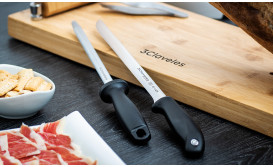
Sharpening frequency depends on how intensively the knife is used, the type of food being cut, the steel and the cutting surface. When a knife starts losing its cutting performance, it is time to restore its edge using an appropriate sharpening method. Explore our selection of knife sharpeners to keep your knives in good condition.