
Shopping Cart

- -25%
Chef Knives
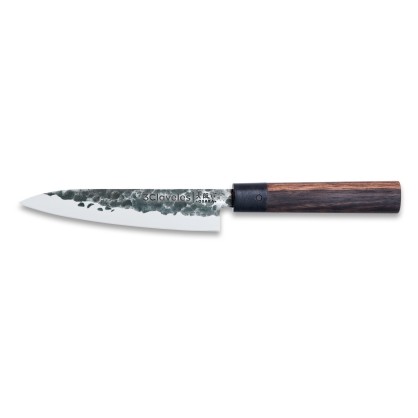

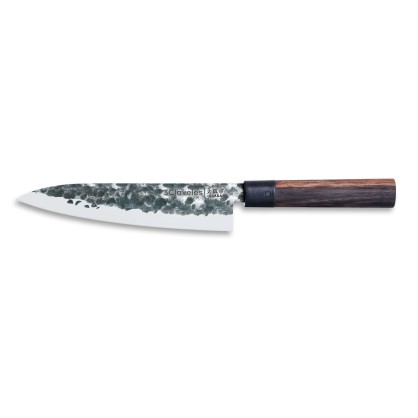

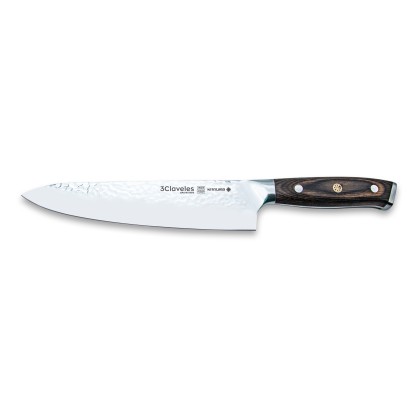
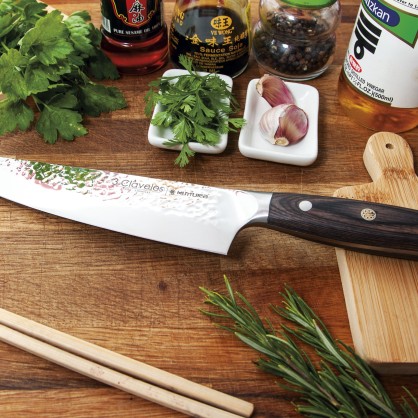
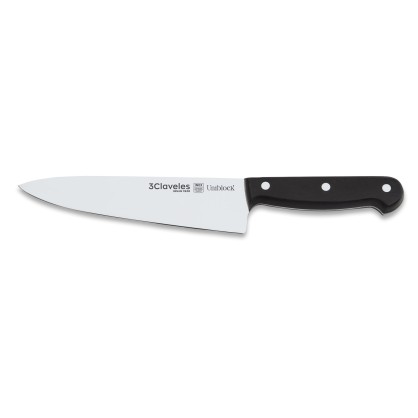
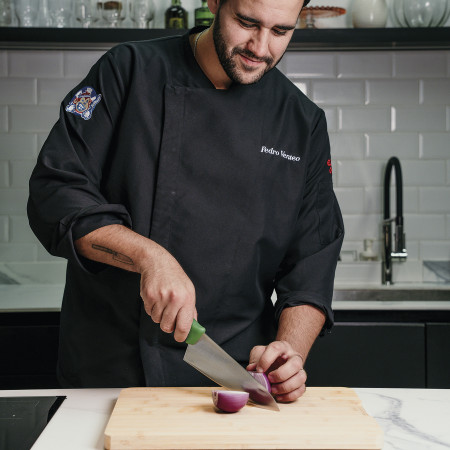
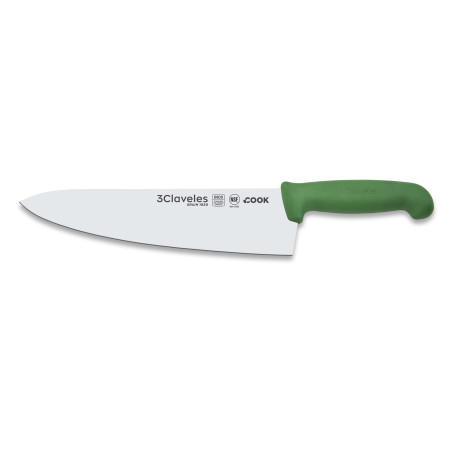
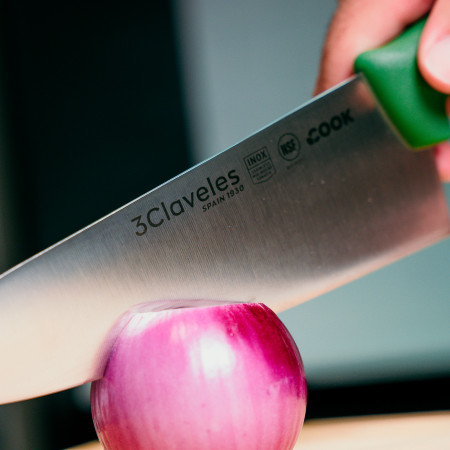
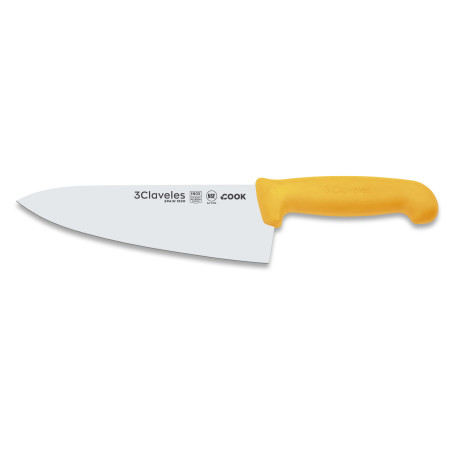
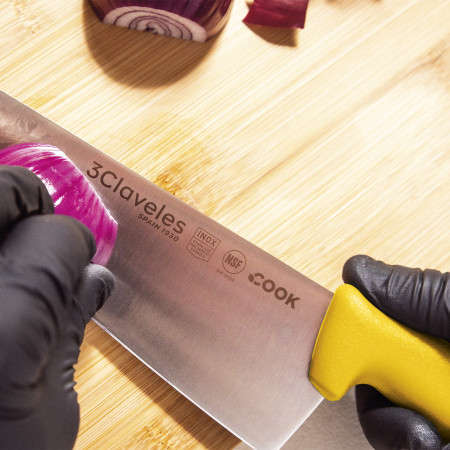
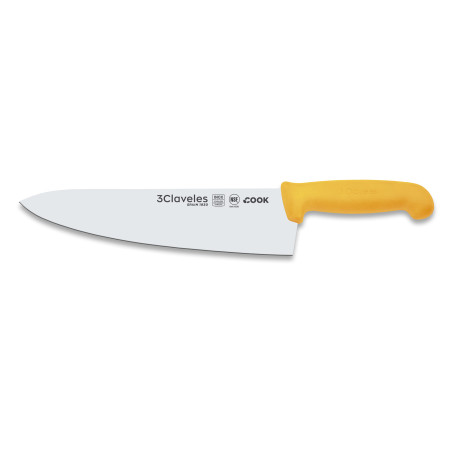
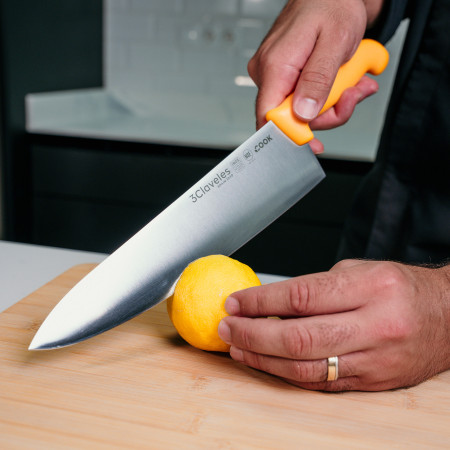
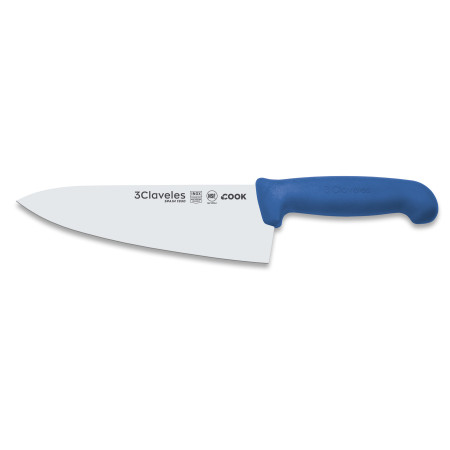
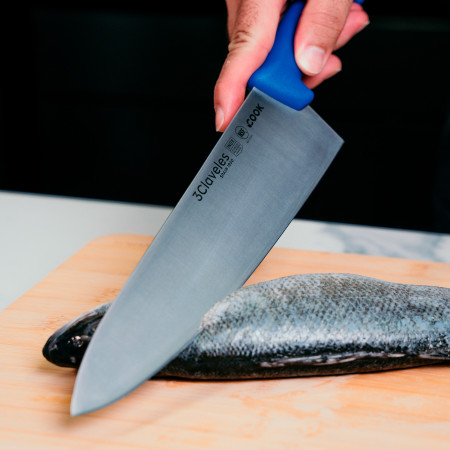
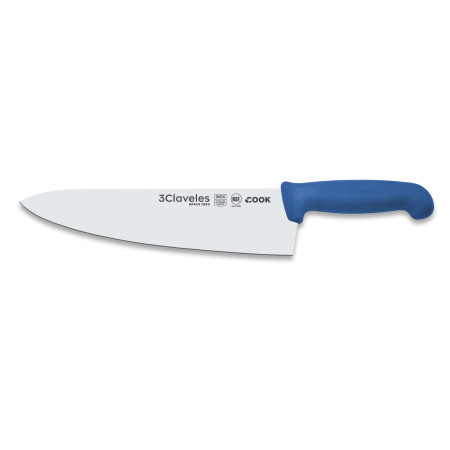
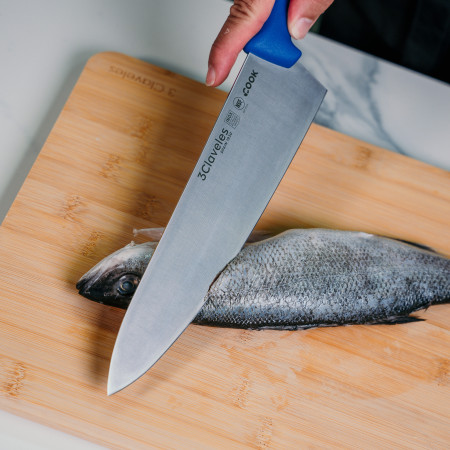
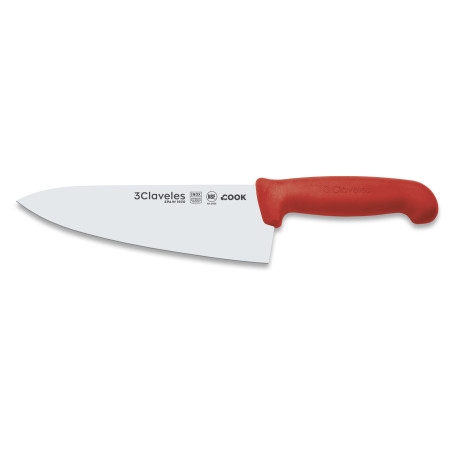
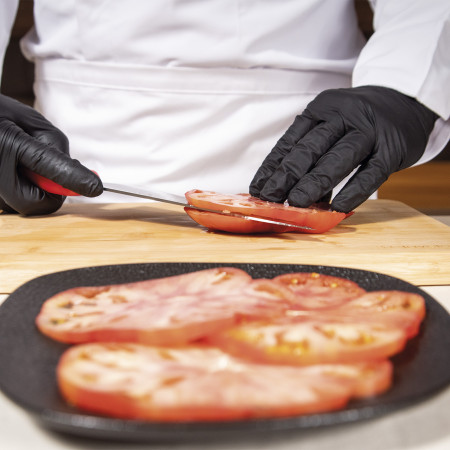
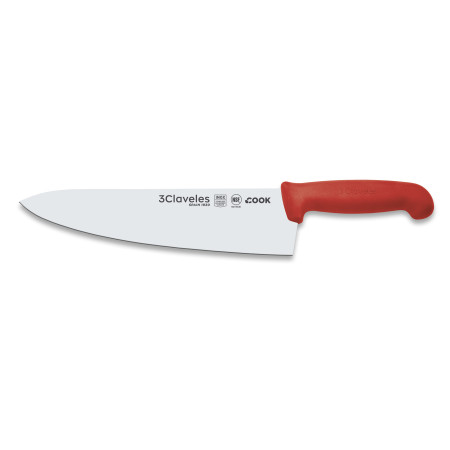
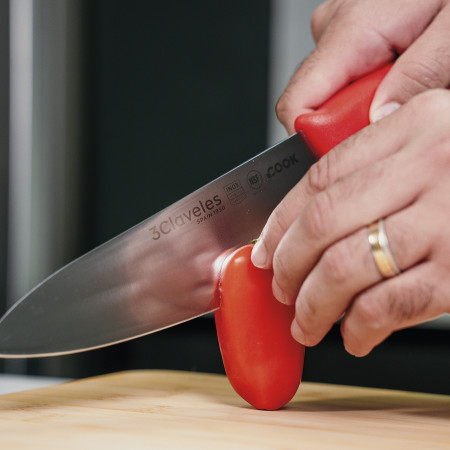
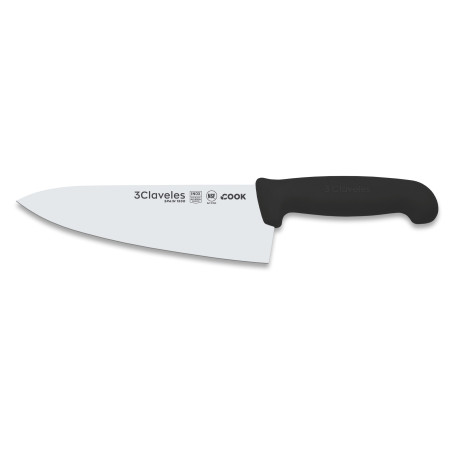
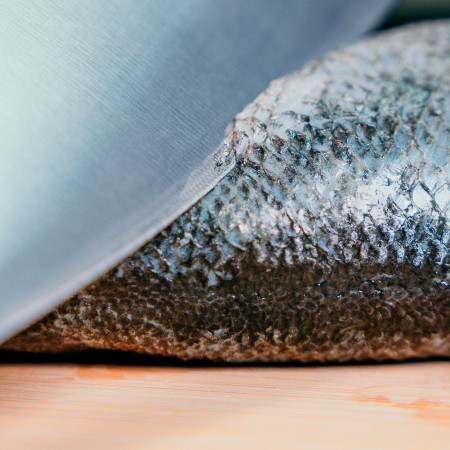
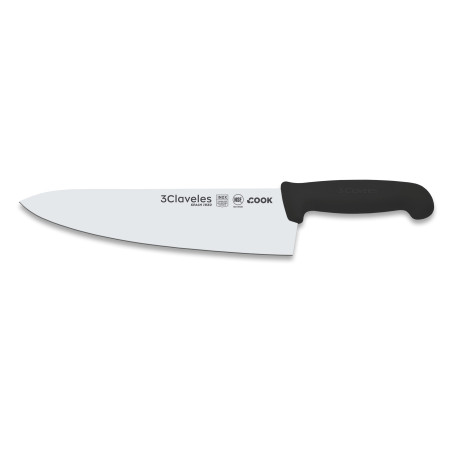
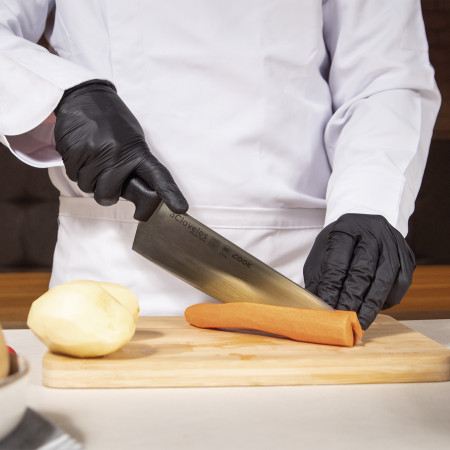
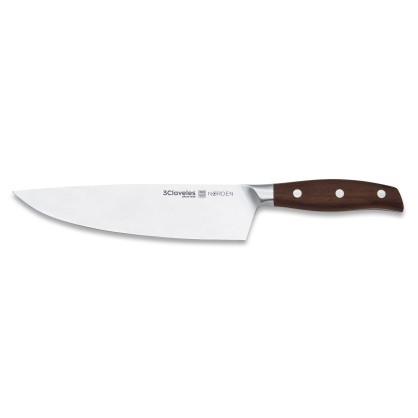

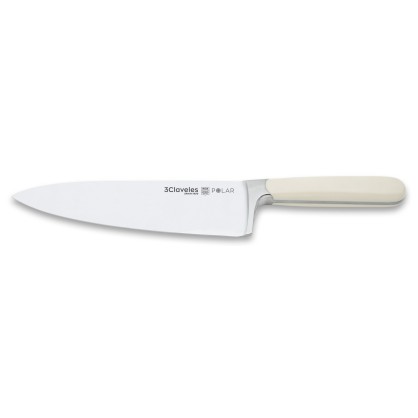

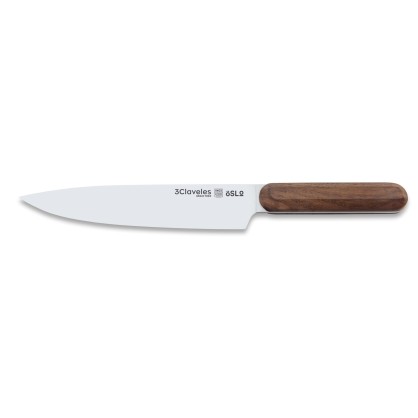

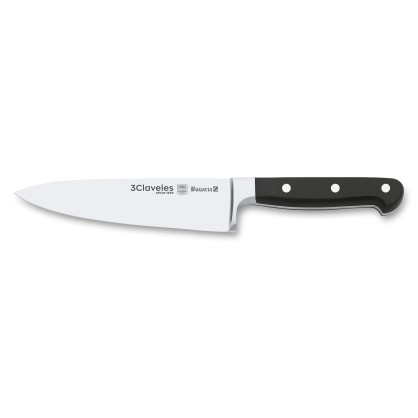

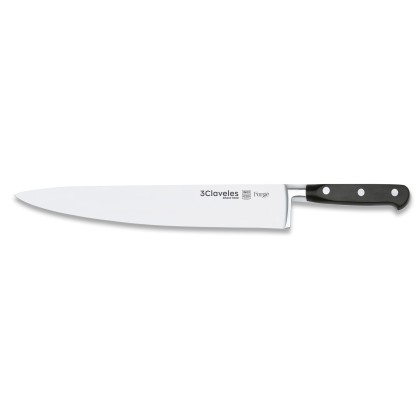
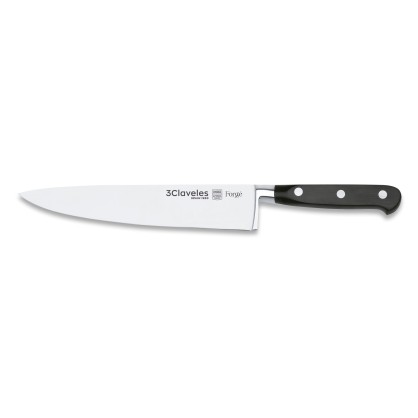
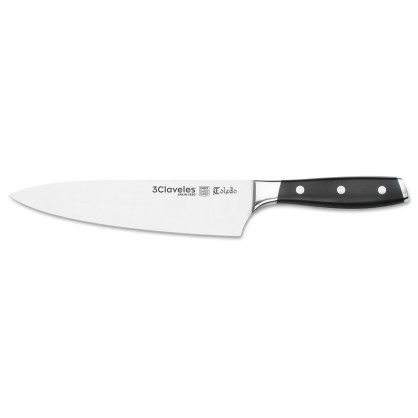

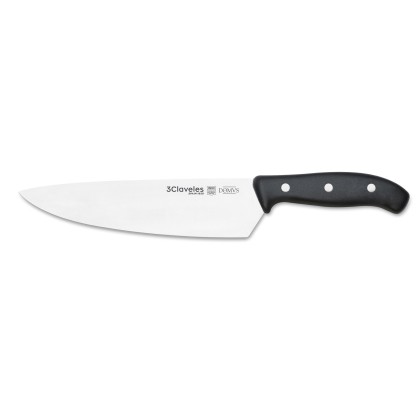

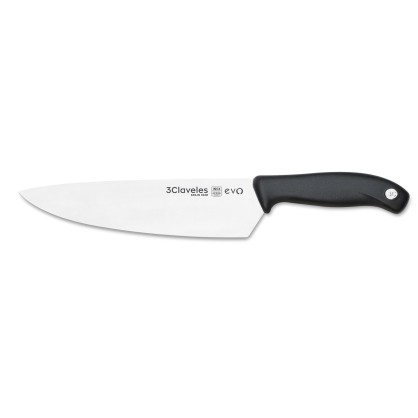
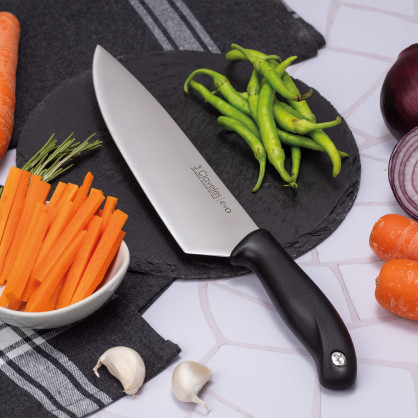
A chef's knife, also known as a cook's knife, is one of the most versatile and essential tools in any kitchen. Its design makes it suitable for a wide range of tasks, including slicing, chopping, dicing and cutting ingredients into portions. It is therefore an indispensable tool for professional chefs and home cooks who want to work with precision and comfort.
Its broad, balanced blade allows smooth cutting movements, while its shape makes it easy to work with vegetables, meat, fish and other ingredients. Although chef's knives are available in different designs and lengths, they all share the same purpose: to provide control, efficiency and comfort during everyday kitchen work.
A good professional chef's knife must meet the demands of frequent use. Blade quality, the balance between the blade and handle, ergonomics and ease of maintenance are all factors that directly affect the cutting experience.
Blade length affects the way you work and the types of ingredients you can cut comfortably. A 20 cm chef's knife offers a balance of cutting capacity, control and versatility. It is a suitable choice for most everyday kitchen tasks.
A 25 cm model provides a larger cutting surface and can be particularly useful when working with large ingredients or when making long, continuous cuts. The right choice depends on the size of the food, the available workspace and each cook's personal preferences.
Chef's knives can be manufactured using different processes. In forged models, the blade is made from a piece of steel shaped through a forging process. Stamped knives, on the other hand, are produced by cutting the blade shape from a sheet of steel.
Both methods can produce functional knives. Choosing between them depends on the design, construction, balance and feel that each user is looking for. A knife should not be judged solely by its manufacturing method: the quality of its materials and its performance in use are also important.
Steel is one of the factors that has the greatest influence on a chef's knife's performance. Its composition and heat treatment determine properties such as corrosion resistance, hardness and edge retention. A good balance between these characteristics helps the knife perform efficiently and makes it easier to maintain.
When choosing a professional knife, it is important to consider the type of steel used and the needs of the kitchen. A knife that is used intensively requires proper care and regular sharpening to maintain its performance.
The handle has a direct impact on comfort and control when cutting. It should provide a secure grip, fit comfortably in the hand and allow the user to work steadily, especially when the knife is used for long periods.
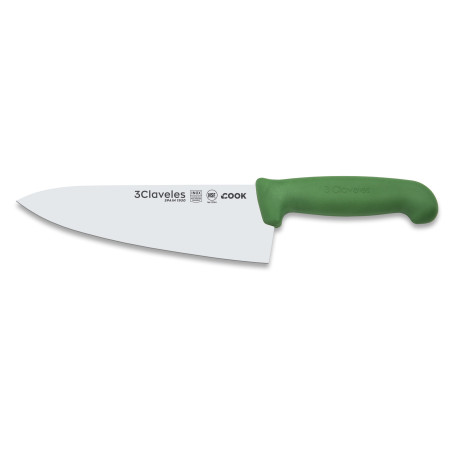
Hygiene and utensil identification are also important in professional kitchens. Handles are made from different materials, and specific solutions are available, such as colour-coded handles that help identify knives according to the type of food or the working procedures used in each kitchen.
There is no single blade length that suits every cook. The right choice depends on experience, hand size, the ingredients being prepared and the tasks performed most often. These guidelines can help you decide:
If you need a knife for a wide range of tasks, a 20 cm model is often a practical starting point. If you regularly work with large quantities of food or bigger cuts, a 25 cm blade can provide additional cutting surface. The most important thing is to choose a length that allows you to work comfortably, safely and accurately.
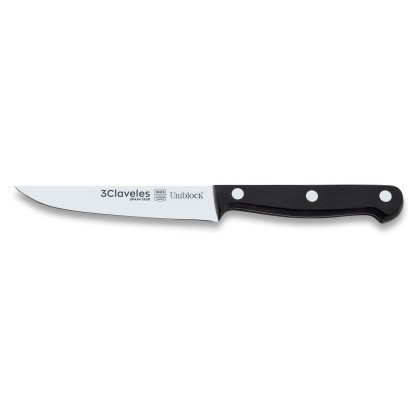
The 3 Claveles catalogue offers different chef's and cook's knives, with designs and finishes suited to a range of needs. The selection includes collections such as Forgé, Bavaria, Uniblock, Sakura, Nørden and Cook, allowing you to compare different options and find the knife that best matches the way you work.
Each collection has its own identity and design features. When choosing a knife, consider the blade length, construction, handle material and the balance and grip it offers. This will help you select a tool suited to professional use or to a demanding home kitchen.
If you need to equip a professional kitchen or are looking for a knife for your culinary studies, explore the range of 3 Claveles chef's and cook's knives available in this category.
If you are starting culinary school, it is advisable to have a versatile chef's knife that is comfortable to use and easy to maintain. A 20 cm blade is often a practical option for learning the most common cutting techniques. A knife roll or knife set can also be useful for carrying and organising the tools needed for classes and practical sessions.
Weight depends on blade length, materials and construction. There is no ideal weight for every user: some cooks prefer lighter, more manoeuvrable knives, while others look for a tool that feels more substantial. The important thing is that the knife is well balanced and allows you to work without excessive fatigue.
Sharpening frequency depends on how intensively the knife is used, the type of food being cut, the work surface and the maintenance routine. In a professional kitchen, where a knife is used continuously, more frequent sharpening may be necessary. To maintain the edge, use suitable sharpening tools, avoid excessively hard cutting surfaces, and clean and dry the knife after every use.